What happened
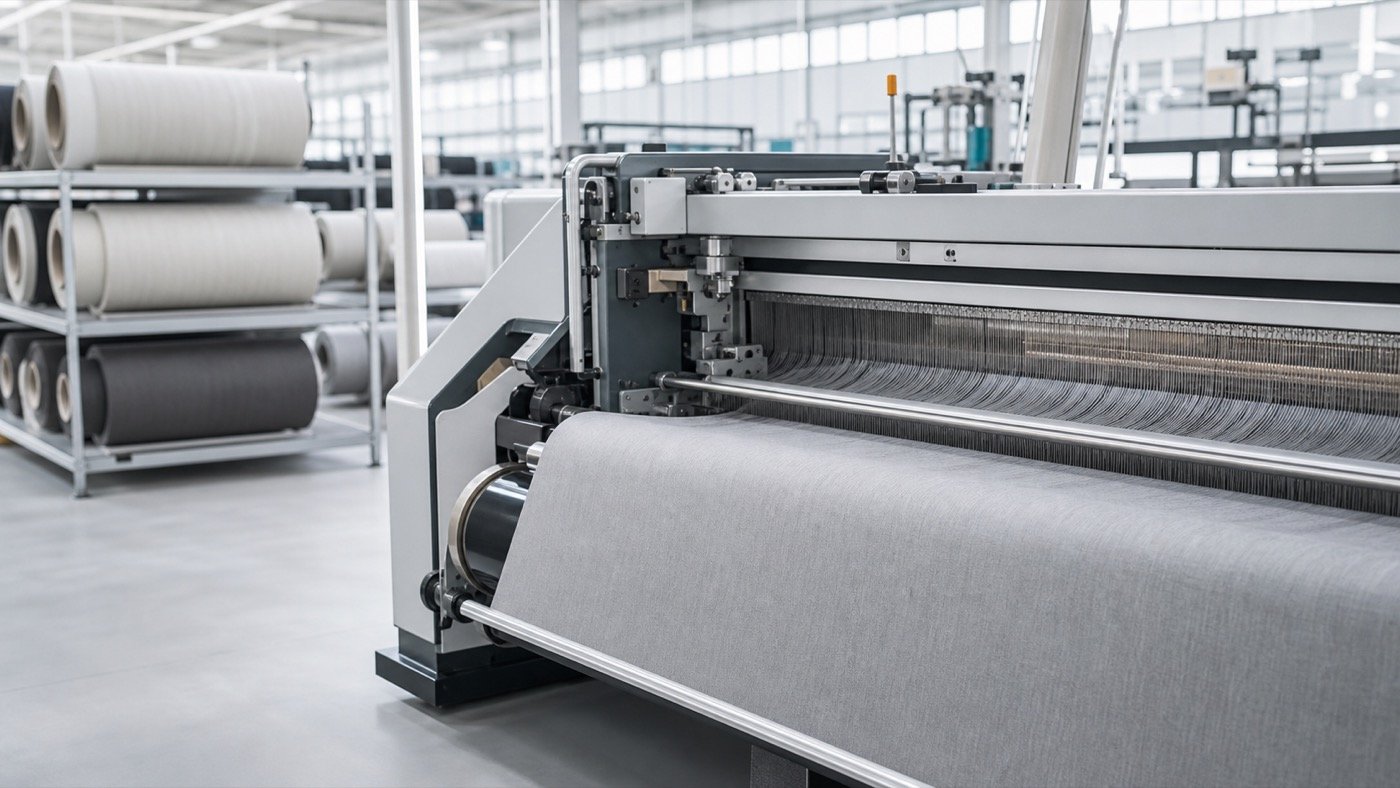
Textile manufacturers are increasing investment in automated weaving and knitting lines as mills look for more reliable output, better quality visibility, and tighter control over production schedules.
The shift is not only about replacing manual work. Modern systems can help operators monitor machine performance, detect variation earlier, and reduce avoidable stoppages across high-volume fabric programs.
Why it matters
For fabric producers, consistency is often as important as speed. Automated lines can support tighter tolerances across repeat orders, reduce waste from defects, and make it easier to document production conditions for customers.
Buyers are also asking for shorter lead times and clearer traceability. Mills with stronger production data can respond faster when customers need updates, audits, or proof of process controls.
What to watch
The biggest gains are likely to come from mills that combine machinery upgrades with operator training, preventive maintenance, and better production planning. Automation is most useful when the team can act on the data it creates.
Suppliers should also watch how automation changes purchasing decisions. More mills may favor machinery that integrates easily with reporting systems, quality controls, and energy monitoring tools.