Executive summary
Recycled textile demand is rising, but available capacity is not evenly distributed across fibers, regions, and quality levels. This mismatch is becoming a sourcing issue rather than only a sustainability issue.
Brands and mills that want more recycled content need to understand where feedstock comes from, how it is sorted, and what quality can realistically be supplied at scale.
Market context
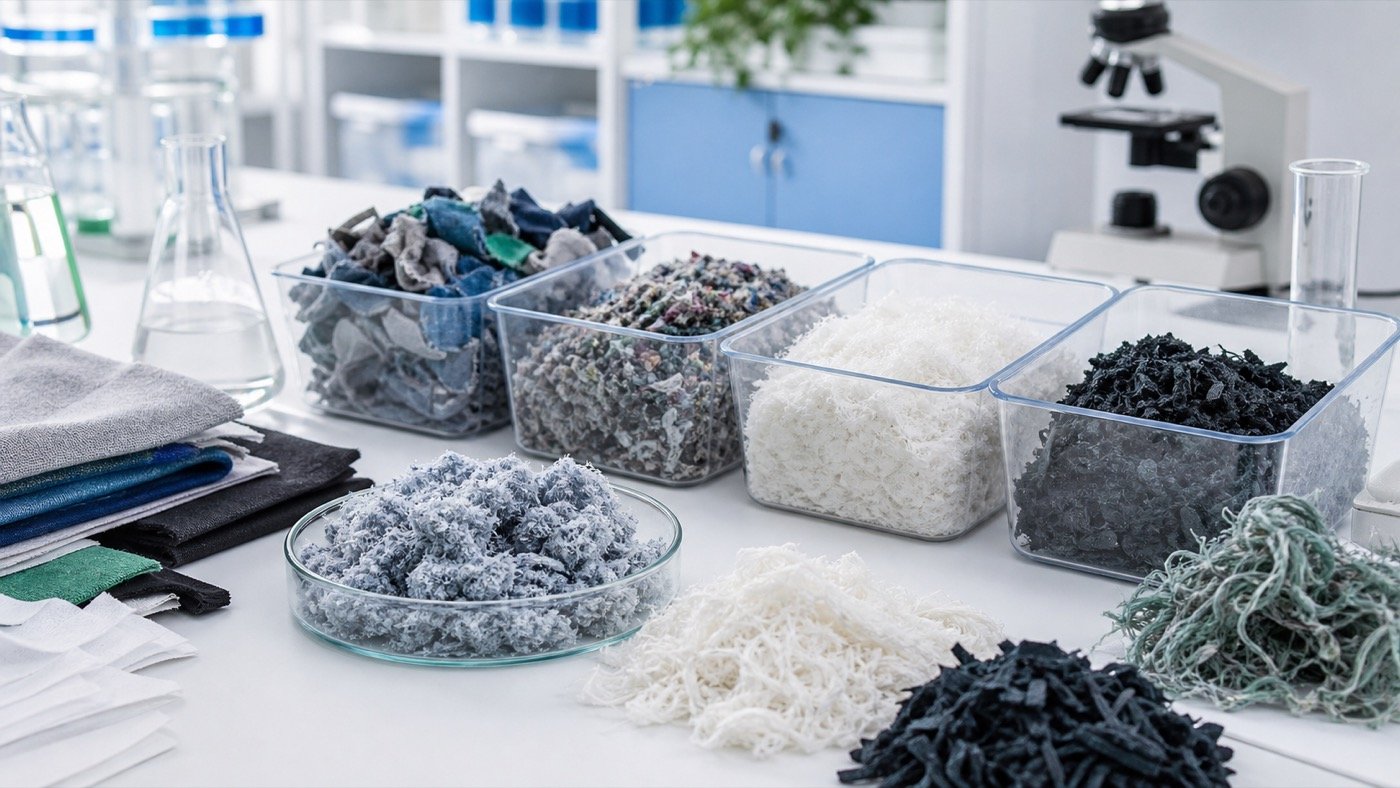
Textile recycling depends on more than one technology. Collection systems, sorting infrastructure, fiber identification, chemical or mechanical processing, and downstream spinning or fabric production all affect the final material.
When one part of that chain is weak, recycled-content programs can face higher costs, inconsistent inputs, or limited availability.
Key trend
The industry is moving from broad circularity commitments to practical sourcing questions. Teams are asking which fibers can be recovered, what blend limitations exist, and whether recycled inputs can meet performance needs for repeat production.
This creates opportunity for recyclers and mills that can provide consistent quality, credible traceability, and clear documentation.
Strategic takeaway
Textile recycling should be evaluated as a supply chain, not a single material claim. The companies that plan around feedstock quality and processing capacity will be better prepared as recycled-content expectations increase.