Executive summary
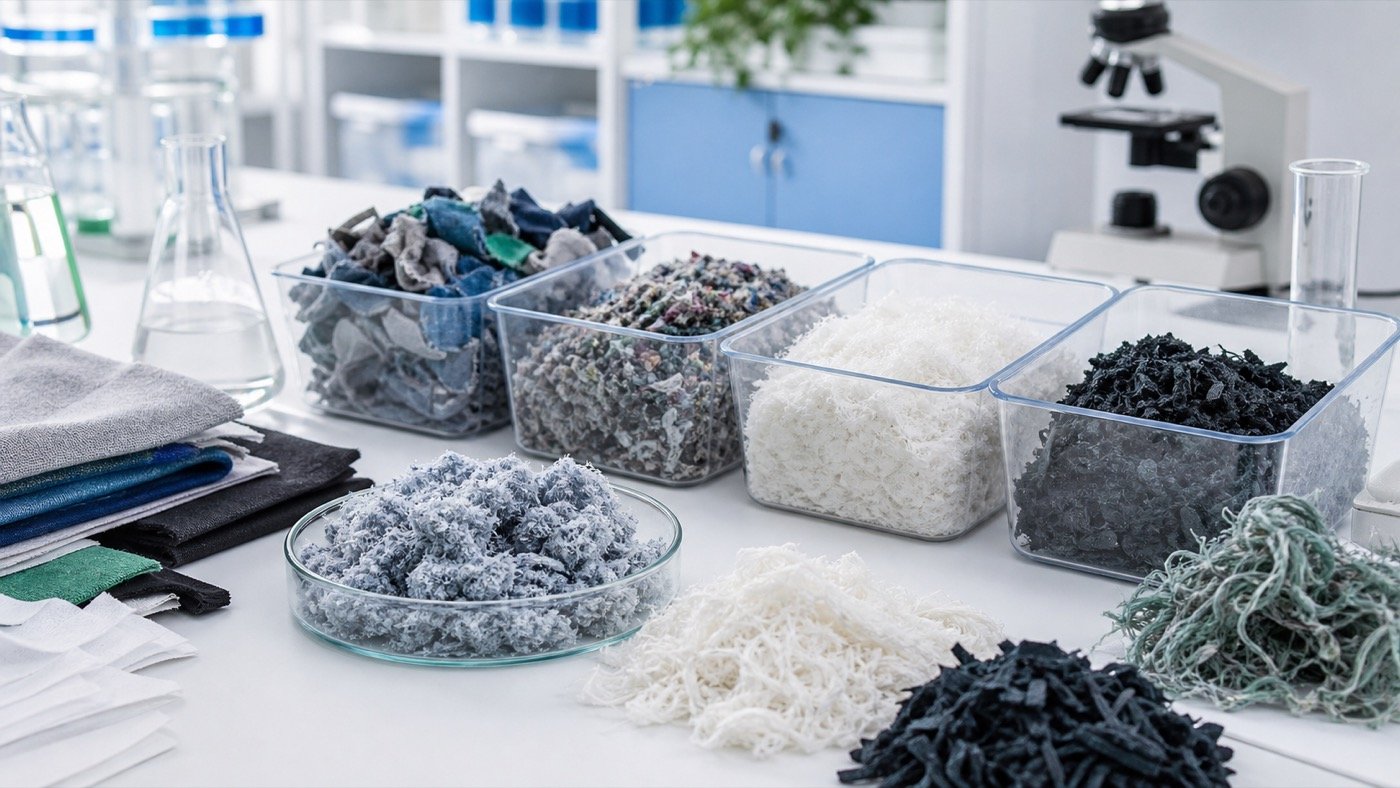
Textile recycling does not begin at the recycling technology. It begins with collection and sorting. Better sorting quality can reduce contamination, improve fiber recovery, and make recycled inputs more predictable.
Market context
Many textile waste streams contain blends, trims, coatings, dyes, and finishes that complicate recycling. The more mixed the feedstock, the more difficult it becomes to produce consistent recycled material.
Key trend
Sorting technology and material identification are becoming more important as brands ask for higher recycled content and more reliable sourcing options.
Strategic takeaway
Companies that invest in better sorting, documentation, and feedstock preparation will be better positioned as textile recycling moves from pilot projects to repeat production.